
Glass
[ Industry description ]
Molds, fenders, tongs and graphite plates for hot glass forming and handling.
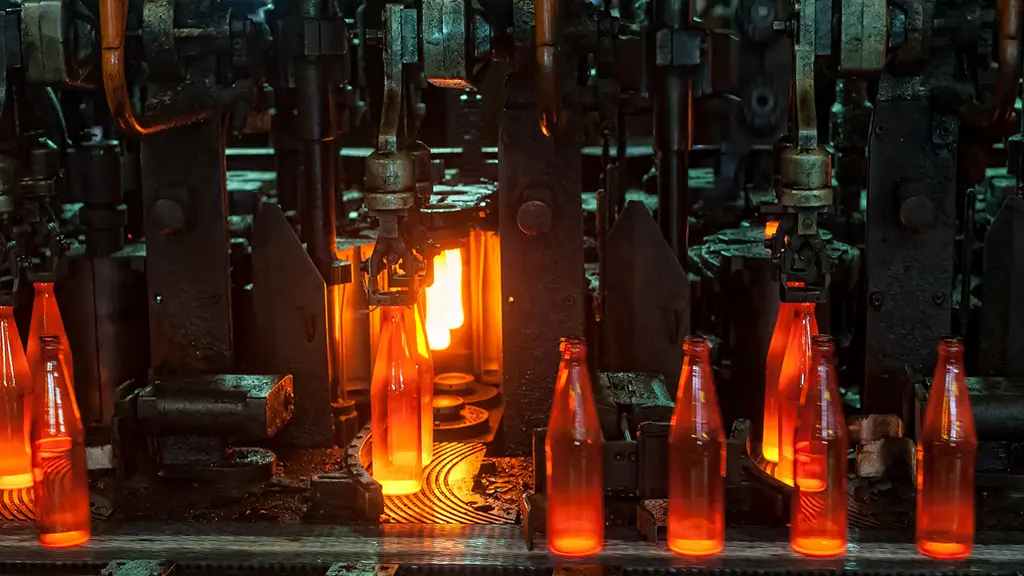
In glass manufacturing, graphite is used for blowing molds, float-glass fenders, tongs, sliding plates and hot-handling tools. Its lubricity and thermal resistance help protect the product surface.
ESGRAF recommends molds and components by process and geometry, with supply and support across Mexico and the Americas.
Applications with ESGRAF
Glass lines typically need graphite where the product is hot and will not tolerate marks or sticking:
- Blowing and forming molds — direct contact with glass and finish requirements.
- Fenders and barriers in float-glass processes.
- Tongs and hot-handling tools.
- Sliding plates and release surfaces where graphite lubricity cuts friction without conventional oil.
Selection balances temperature, geometry, allowed surface finish and mold or tool life versus cost per cycle.
Recommended product families
- Isostatic graphite — molds and parts needing higher precision and uniformity.
- Extruded graphite — profiles, plates and simpler shapes.
- Crucibles and molds — custom machined mold geometries.
- Electrodes — when tooling or an associated process needs electrical contact or EDM.
- Supply overview: graphite in Mexico.
When the process calls for it, we also review coatings or release lubricants compatible with hot glass.
Frequently asked questions
Why is graphite used in glass molds?
It combines temperature resistance, natural lubricity and machinability. That helps reduce adhesion and surface marks when grade and mold finish are appropriate.
What do you need to quote a mold?
Geometry or drawing, glass type or process (blown, float, handling), approximate temperature, quantity and critical tolerances or finish. Photos of a reference part also help.
Do you make tongs and plates as well as molds?
Yes. ESGRAF machines molds, tongs, plates and other tools from drawings. Material family is chosen by thermal load and geometry.
Can graphite mark the glass?
An unsuitable grade or finish can contribute to surface defects. We review grain, density, machined finish and operating conditions before making or replacing a mold.
How do glass plants in Mexico contact ESGRAF?
Use quote with drawing and conditions, or contact for applications engineering.
Request glass molds and tools
For molds, fenders, tongs or graphite plates, request a quote or write to contact with geometry and process details.
[ Related graphite applications ]
[ Related services ]
[ Quote ]
Need the right specification—not just material?
Tell us your application. Engineering response in under 24 hours.