
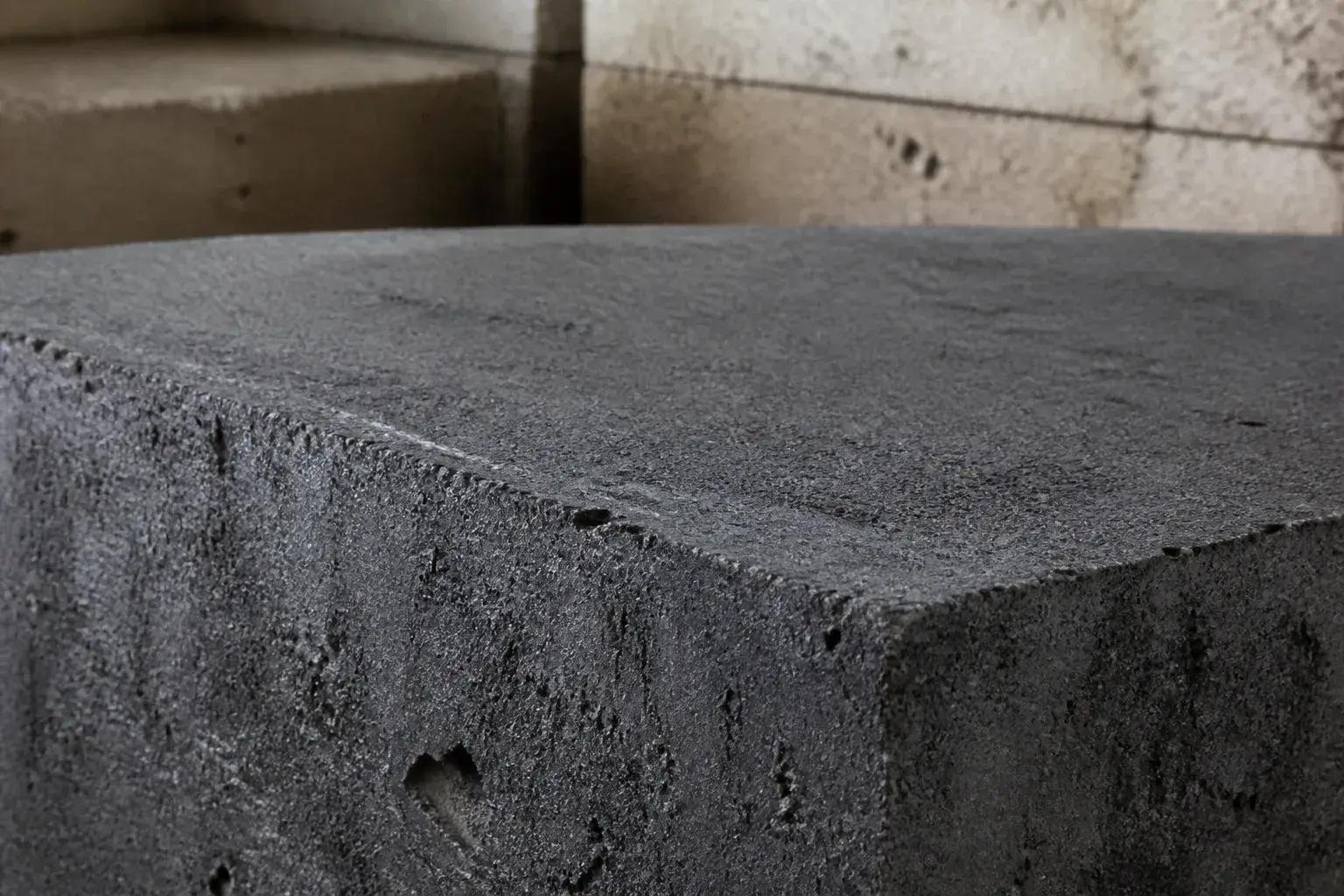
Refractory surface lubrication
Refractory protective coating
Also known as: Graphite paint for refractories · Non-stick coating for refractories · Graphite dispersion for hot surfaces · Refractory protection against slag
[ Technical summary ]
Refractory in contact with metal or slag suffers two effects that reinforce each other: metal adheres and, when removed, tears material from the surface. A graphite coating interposes a layer the metal does not wet, so adhesion decreases and cleaning stops being destructive. It is applied as paint or dispersion over the surface and renewed as it wears, without intervening in the refractory itself.
[ Problem it solves ]
Reduce metal and slag adhesion on the refractory, so that cleaning does not tear material away and shorten lining life.
Processes
- Dry-film application
Operating conditions
- Refractory-to-metal contact
- High temperature
When it is suitable
- Metal or slag adheres to the refractory surface
- Mechanical cleaning damages the lining
- The refractory must be protected without replacing it
- The surface can be coated during scheduled stoppages
When it may not be suitable
- Wear comes from mechanical erosion rather than adhesion
- The surface cannot be prepared or dried before application
- The product cannot be validated in the plant before adopting it in production
Process challenges
- Metal or slag sticking
- Refractory wear
- Difficult mold release
Advantages
- Reduces sticking
- Thermal stability
- Applicable as paint or suspension
Limitations
- Not a hydrodynamic oil lubricant
- May stain light-colored surfaces
- Performance depends on surface preparation and reapplication
[ Critical selection variables ]
These variables define the grade and the geometry. Actual values are confirmed against the grade datasheet.
- Operating temperatureDecisive
- Molten metal or alloy in contactDecisive
- Application methodDecisive
- Substrate or surface to be treatedDecisive
- Reapplication frequencyRelevant
- Bath or flux chemistryRelevant
[ Required material properties ]
Properties that guide selection. Numerical values come from each grade's datasheet.
Critical properties
- Lubricating film formation
- Thermal stability
- Particle size distribution
- Non-wetting by molten metal
Secondary properties
- Chemical resistance
- Dispersibility
[ Related ]
[ Frequently asked questions ]
View all FAQsTechnical content reviewed by ESGRAF — Last reviewed: September 8, 2026
[ Quote ]
Need the right specification—not just material?
Tell us your application. Engineering response in under 24 hours.