
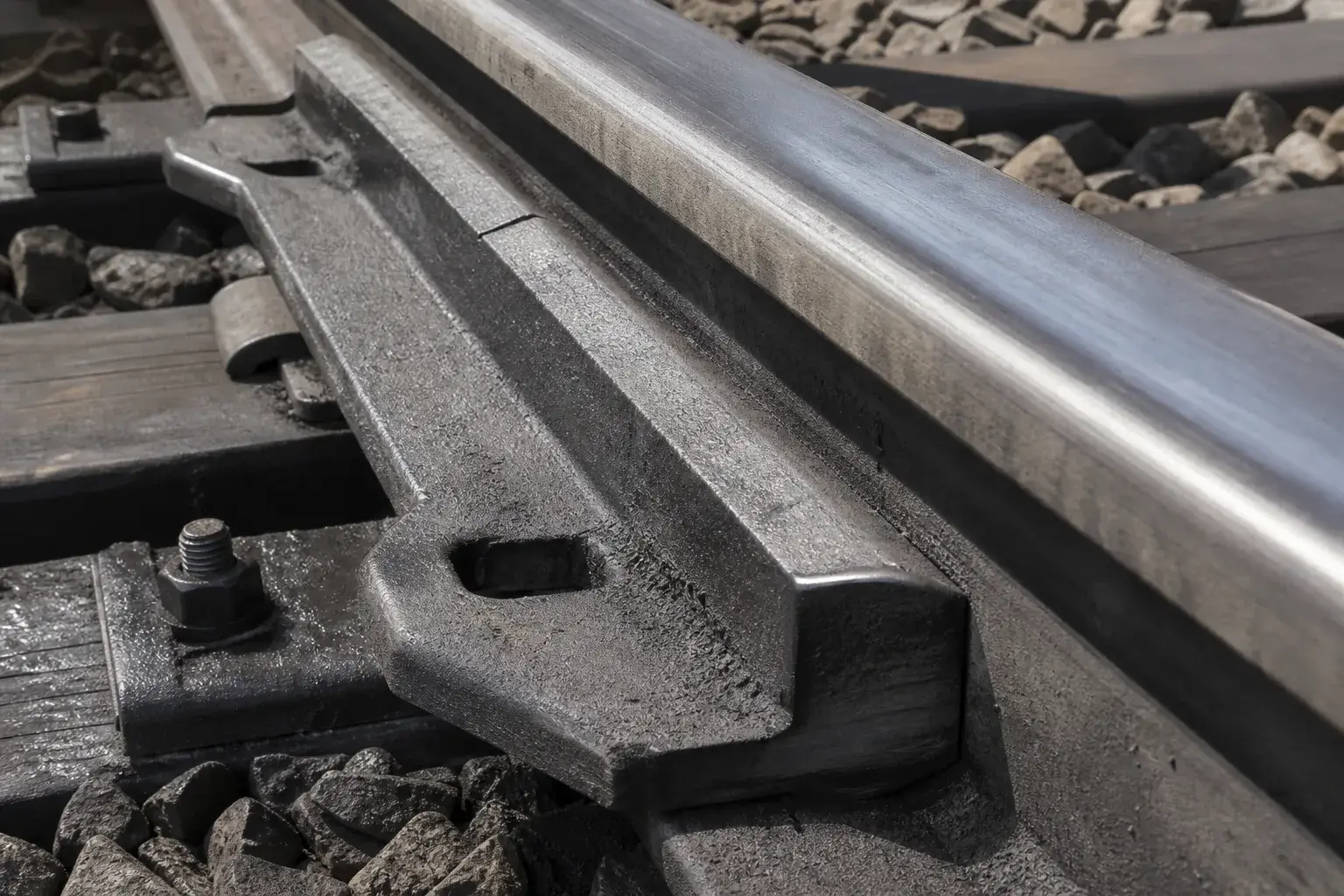
Port winch and rail lubrication
Cable, winch, and logistics-stop lubrication
Also known as: Graphite lubricant for winches · Port-cable lubrication · Anti-friction for rails and stops · Port-logistics lubricant
Graphite film for port cables, winches, and rails.
[ Technical summary ]
In port, cables, winches, rails, and stops run continuously, under load, with moisture or salinity. Oil drips and grease washes off or gets dirty. A graphite film stays in the contact. This record covers port logistics; marine ship hardware and railway uses are separate.
Each process needs a specific product and application method. ESGRAF selects the solution according to temperature, material, load, cycle, and application method.
[ Problem it solves ]
Lubricate port cables, winches, and rails without oil drip or grease that washes off with moisture.
Processes
- Winch and cable operation
- Sliding on rails and stops
Operating conditions
- Continuous high-load operation
- Moisture or saline environment
When it is suitable
- Oil drips on the dock or cargo
- Cables, rails, or stops squeal in continuous service
- Grease washes off with moisture
When it may not be suitable
- The cable or winch manufacturer specifies a particular lubricant
- The cable is damaged and requires replacement
- The surface tolerates no black residue and there will be no cleaning stage
Process challenges
- Oil drip on the dock
- Lubricant wash-off from moisture
- Cable and rail wear
Advantages
- Less drip than cable oils
- Film that stays with moisture
- Useful in continuous operation
Limitations
- Does not repair a damaged cable
- May stain light cargo if over-applied
- Reapplication follows port inspection
[ Critical selection variables ]
These variables define the grade and the geometry. Actual values are confirmed against the grade datasheet.
- Load and its distributionDecisive
- Humidity and ambient conditionsDecisive
- Application methodRelevant
- Reapplication frequencyRelevant
- Sliding speedRelevant
- Presence of abrasives or solidsRelevant
[ Required material properties ]
Properties that guide selection. Numerical values come from each grade's datasheet.
Critical properties
- Lubricating film formation
- Friction coefficient
- Self-lubrication
- Thermal stability
Secondary properties
- Wear resistance
[ Related ]
[ Frequently asked questions ]
View all FAQsTechnical content reviewed by ESGRAF — Last reviewed: October 28, 2026
[ Quote ]
Need the right specification—not just material?
Tell us your application. Engineering response in under 24 hours.