How graphite components contribute to the glass industry
Published on 10/29/2020· Updated on 7/22/2026
Due to the hexagonal structure of the carbon atoms within graphite, this material possesses high electrical conductivity, thermal shock resistance and offers self-lubricating properties, characteristics that make it essential in the glass industry.

As we know, glass manufacturing requires components and machines that can withstand very high temperatures and the resulting thermal shock, due to the fact that hot glass is handled at approximately 1,200 degrees Celsius.
Graphite components for the glass industry
Due to the high temperatures, graphite and the components made from it are of utmost importance in the various glass production and handling processes. Some of the parts that are manufactured with graphite are:
- Fenders or barriers in furnaces
- Sliding plates
- Molds for handmade glass
- Clamps in bottling machines. As glass bottles come out very hot, the jaws made of graphite prevent the material from sticking and avoid marks, also known as "checks".
- Pushers
- Felts for furnace linings
- Bushings for bearings
It is important to mention that high purity graphite components, as mentioned above, offer non-stick properties so that the hot glass product slides over the surface without leaving marks, and they also perfectly withstand high temperatures.
In the case of fenders, they are used in the furnaces used in the production of float glass, acting as barriers to keep the fluid hot and give shape. On the other hand, graphite felts are widely used as a means of insulation in furnaces and are made from carbon fibers.
Components made of graphite and used in the glass industry are indispensable especially when looking for materials that offer safety both for the personnel working with them and for the machines that use them, avoiding accidents and extra costs.
Advantages of graphite in glass manufacturing
Some of the advantages of using graphite within the processes, from start to finish, in the production and manufacture of glass are:
- Thermal shock resistance Graphite is a material that will not deform or be damaged by sudden changes in temperature or by being subjected to temperatures as high as those required for glass handling.
- Wear resistance: Graphite components stand up well to age and constant use.
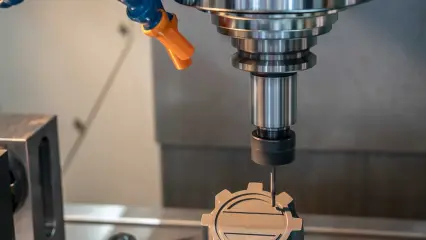
- Flexibility of design The necessary parts and components can be manufactured according to the specific requirements and needs of each machine.
- Non-marking Due to its lubricating property, graphite allows the glass product to slide without leaving marks.
Graphite is an indispensable element for glass handling and at ESGRAF we have material in inventory and machining service to meet the requirements of the industry. Ask for information or advice and get graphite solutions to your needs.
Limitations to consider
Performance depends on graphite grade, grain orientation, temperature, load, pressure, speed, and operating environment. Material selection should be confirmed for your actual process conditions.
Information needed for a quote
To guide selection or prepare a quote, ESGRAF typically needs:
- Application and operating conditions (temperature, atmosphere, load).
- Dimensions, technical drawing, or CAD file when applicable.
- Required quantity.
- Requested grade or material currently in use.
- Observed issue with the previous part or lubricant, if any.
Request a quote
Share these details with our team at ESGRAF or request information. A specialist will review your application before recommending a grade or geometry.