Float glass: graphite elements assisting in this process
Published on 3/18/2020· Updated on 7/22/2026
In the float glass industry, it is very common to work with high temperatures, however, not all materials can withstand it. Therefore, graphite is the ideal element for moten and hot glass manipulation.

Due to the multifaceted nature of glass and the need to use it in different applications, we set ourselves the task of understanding everything about the process of molding it and compiling how graphite interferes in this process.
How is float glass produced?
A mass of molten glass having a temperature of 1100ºC is floated on a layer of molten tin; pouring from the furnace a tin bath that makes it spread evenly. As a result, this method gives the glass a uniform thickness and a flat surface.
Depending on the required thickness of the glass, the process is generated, since a width of 300 to 360 centimeters can be achieved. This generates as a consequence, that it is the most used in construction.
It is also the main basis for the manufacture of other products such as mirrors for decoration, tempered glass, laminated or double glazing.
Advantages and uses of float glass
The main advantages, properties and uses of float glass are due to the manufacturing process, which are:
- Totally flat glass surfaces without distortion.
- High light transmission
- Possibility of tempering
- Optical clarity
- Good thermal insulation
In addition to the high quality of the product, it does not require additional polishing and its structural flexibility during production makes it ideal for easy molding and bending into endless shapes as long as it is sufficiently heated.
Among its uses we highlight the following:
- Vehicle glass: such as windshields, windows or mirrors.
- Decorative mirrors: of different sizes and thicknesses.
- Windows and doors: for homes or businesses.
- Furniture: such as coverings, tables, cabinet doors, etc.
- Insulating glass: which is widely used in construction.
In addition, many types of specialty glass, such as tempered glass, laminated safety glass or soundproofing glass use float glass as a base.
Why graphite is perfect for the process?
Now that we know what the float glass process is, understanding the role of graphite in the process is critical, as it is a unique element that resists high temperatures.
Graphite is used in the handling of glass as a component in float glass furnaces and also for the handling of glass containers on the production line. High purity graphite plates withstand high temperatures and offer non-stick properties for sliding glass on a surface. On the other hand, graphite clamps are used in outlet and handling systems in container and bottle manufacturing.
Among the components of furnaces for glass production are also used parts called graphite fenders and troughs, which are used as barriers for shaping.
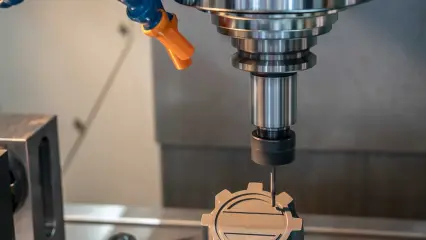
Graphite is an indispensable element for glass handling and in ESGRAF we have material in inventory and machining service to meet the requirements of the industry. Request information or advice and get graphite solutions to your needs.
Limitations to consider
Performance depends on graphite grade, grain orientation, temperature, load, pressure, speed, and operating environment. Material selection should be confirmed for your actual process conditions.
Information needed for a quote
To guide selection or prepare a quote, ESGRAF typically needs:
- Application and operating conditions (temperature, atmosphere, load).
- Dimensions, technical drawing, or CAD file when applicable.
- Required quantity.
- Requested grade or material currently in use.
- Observed issue with the previous part or lubricant, if any.
Request a quote
Share these details with our team at ESGRAF or request information. A specialist will review your application before recommending a grade or geometry.