Graphite Crucible, everything you need to know
Published on 12/29/2019· Updated on 7/22/2026
There are different types of crucibles, created from a variety of materials such as porcelain, silicon carbide and ceramic. However, graphite crucibles stand out in the handling of molten material due to their non-stick properties, among others.

Most industries usually work with materials that are resistant to high performance scenarios: very high temperatures, contact with abrasive chemicals, inclement weather, among others. For this, it is necessary to have instruments made of materials resistant to all these circumstances. An example of these is the graphite crucible.
There are different types of crucibles, created from a variety of materials such as porcelain, silicon carbide and ceramic. However, graphite crucibles stand out in the handling of molten material due to their non-stick properties, among others.
What is a graphite crucible?
The graphite crucible is a deep vessel used primarily for melting metals, such as gold, silver, aluminum, and other precious metals. These parts are specially designed according to the needs of the industry, and can withstand high temperatures.
Broadly speaking, the operation of a crucible is very basic. They are placed in a furnace - either electric or induction - with the metal inside its container, and once in its liquid state, the metal is poured into molds to create specific parts.
What are the main characteristics of a graphite crucible?
Graphite composite crucibles are developed according to drawing or size from rods, plates and blocks of different grades and qualities of synthetic graphite depending on their application. Unlike other materials, such as clay, porcelain or ceramic, this type of crucible has excellent non-stick properties, so melting in these crucibles guarantees a reduction of wastage in the melted material.
The main characteristic of a graphite crucible is its resistance to higher temperatures than others, even higher than 1500° C, although its most common use is around 500° C.
Main uses of a graphite crucible
The graphite crucible is mainly used for melting:
- Gold
- Silver
- Aluminum
- Platinum
- Copper
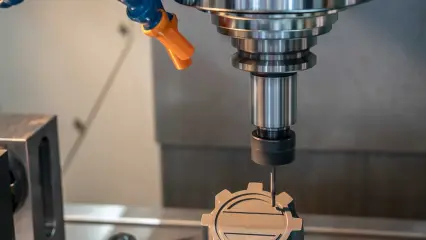
Graphite, both synthetic and natural, is an element widely used in industry, not only in foundry. Although it is an anti-adherent and thermal shock resistant material, it can also be used in mechanical applications, such as: mechanical seals, bearings, gaskets and many other areas.
The industrial applications of graphite are very varied, and can solve very specific problems, depending on the case. ESGRAF is a company with more than three decades applying graphite-based products for the industry, with a great coverage and excellent advice to develop all types of parts, including graphite crucibles.
Limitations to consider
Performance depends on graphite grade, grain orientation, temperature, load, pressure, speed, and operating environment. Material selection should be confirmed for your actual process conditions.
Information needed for a quote
To guide selection or prepare a quote, ESGRAF typically needs:
- Application and operating conditions (temperature, atmosphere, load).
- Dimensions, technical drawing, or CAD file when applicable.
- Required quantity.
- Requested grade or material currently in use.
- Observed issue with the previous part or lubricant, if any.
Request a quote
Share these details with our team at ESGRAF or request information. A specialist will review your application before recommending a grade or geometry.